
RAMPA - NEWS
Fieldwork in the Southern Carpathians, Romania (July 14–20, 2024) and Serbia (September 26–29, 2024)

As part of her doctoral research, PhD student Katja Mužek conducted two fieldworks – one in Romania and second one in Serbia, focusing on the analysis of Pannonian and Pontian (Pontian in the context of the Eastern Paratethys) ostracod and mollusk fauna from the Dacian Basin and Lake Pannon. Both field studies were funded by the internal research project Development of Miocene Paleoenvironments in Croatia and Their Connection to Global Events (RAMPA).
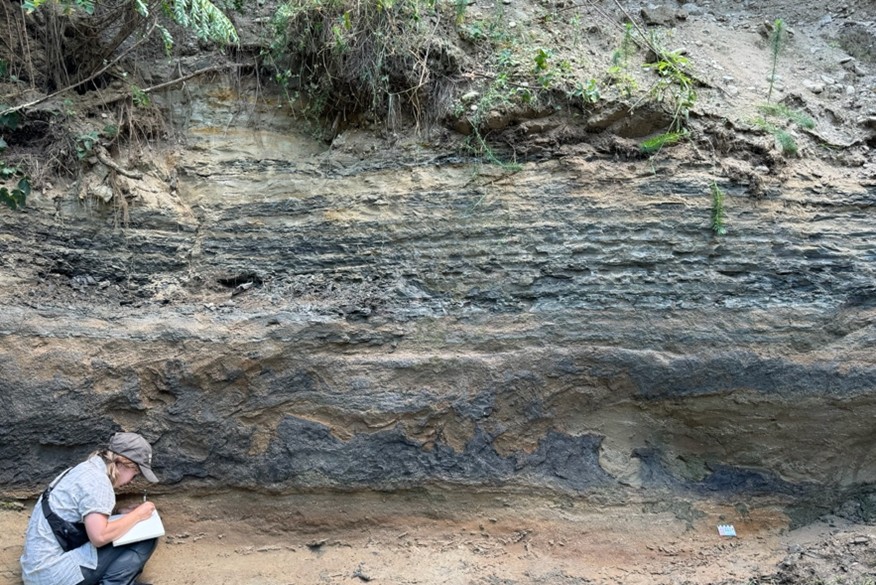
Recording of partial column Turia I (Romania)
The fieldwork in Romania (July 14–20, 2024) involved sampling Pontian deposits and stratigraphic logging at various sites within the Dacian Basin, while the fieldwork in Serbia (September 26–29, 2024) focused on sampling Pannonian deposits in the vicinity of Belgrade (Mislođin).
In Romania, field investigations were carried out at the Doftana Valley, Buzău Valley, Turia (where 14 partial stratigraphic logs were recorded), and Badislava Valley. The primary objective was to sample Pontian deposits of the Dacian Basin, with an emphasis on the first migration phase of ostracods and mollusks, which occurred approximately 6 Ma. During this phase, the temporary reconnection of Lake Pannon with the Dacian Basin allowed for the migration of faunal communities.
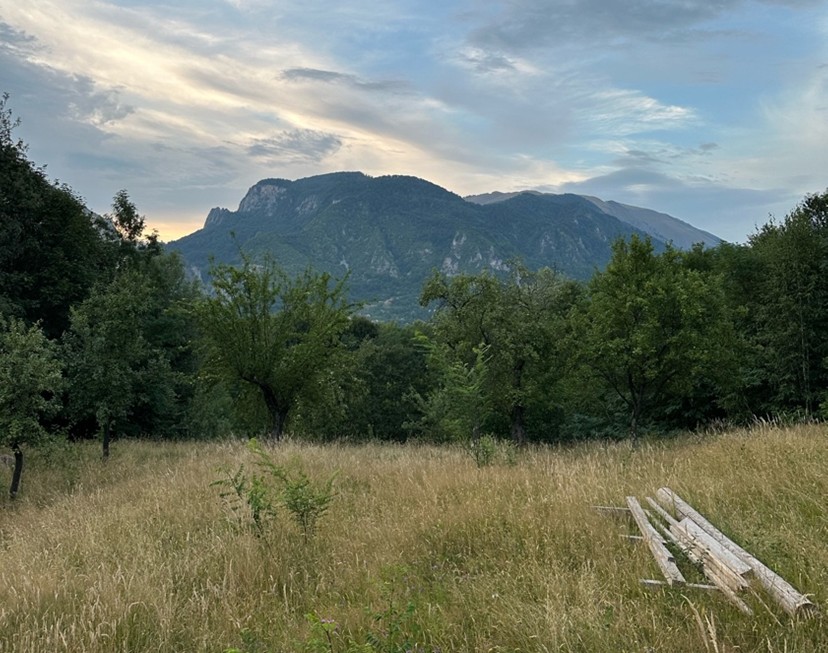
Southern Carpathians, Romania
The field investigation in Serbia was conducted to sample deposits of Lake Pannon at the Mislođin locality. The collected samples will enable a taxonomic analysis of ostracods and mollusks and a comparative study of the ostracod and mollusk fauna from the Dacian Basin and Lake Pannon. The primary goal of this research is to determine phylogenetic similarities between the two faunal communities based on morphological characteristics, as well as to gain insight into the paleoenvironmental conditions that accompanied migration processes.
These studies contribute to a better understanding of paleobiogeographic patterns and allow for the reconstruction of paleoenvironmental conditions during the Neogene.
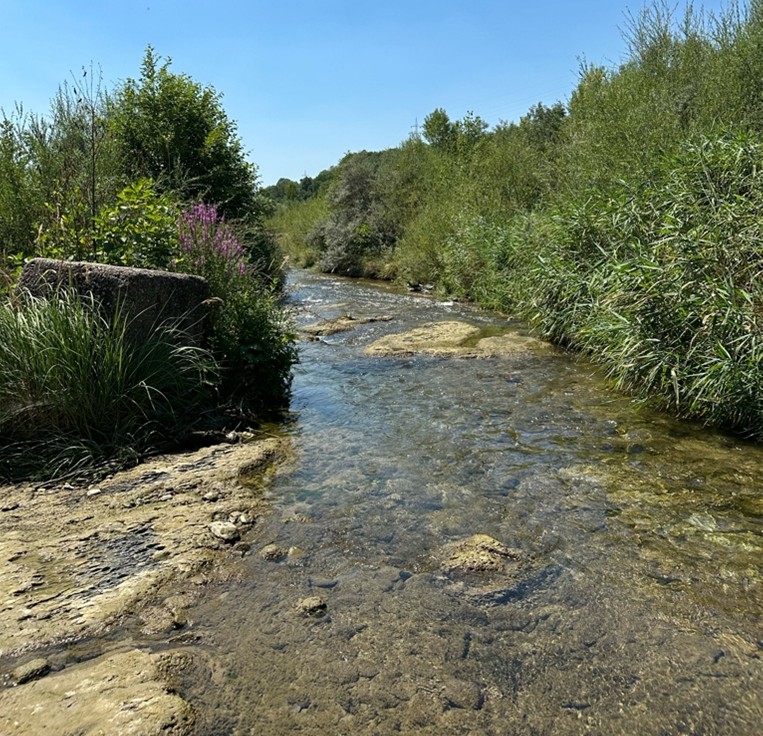
Doftana Valley, Rumunjska